
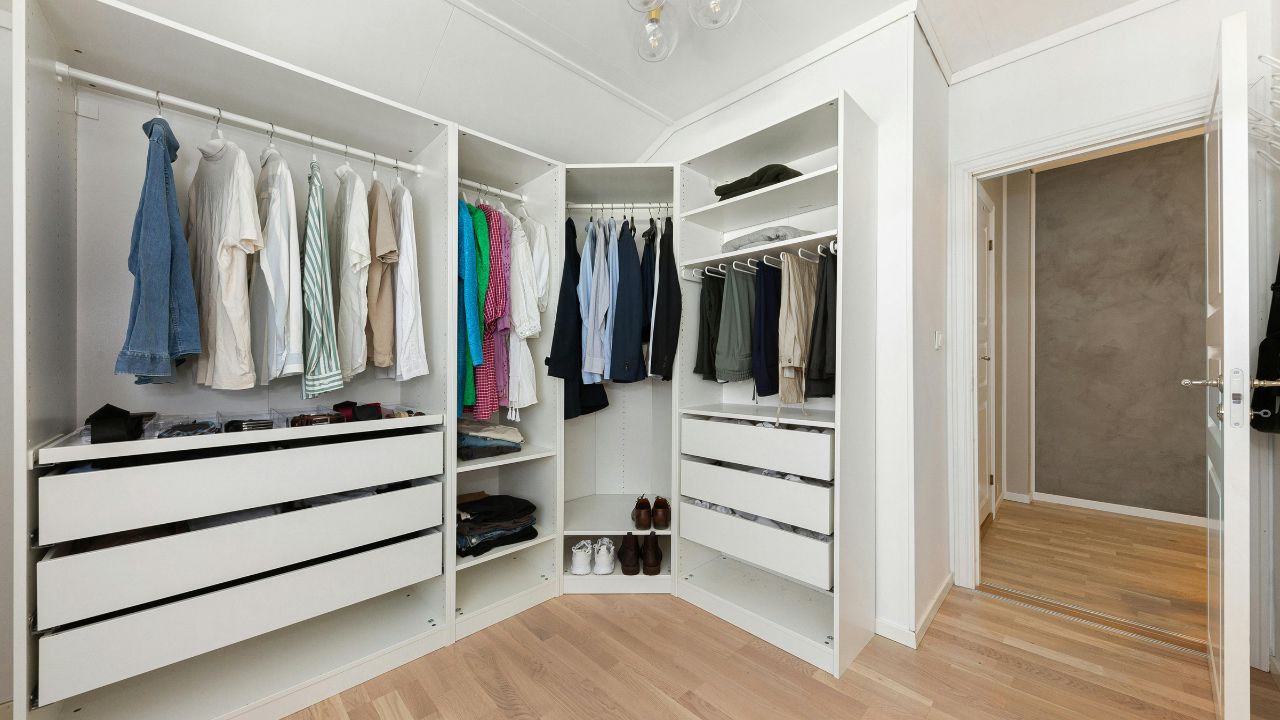
How to Build a Timeless Wardrobe on a Budget
Building a timeless wardrobe does not require a large budget or a closet filled with expensive designer clothing. The key is choosing versatile, comfortable, and durable pieces that can be worn in different combinations. A budget-friendly timeless wardrobe focuses on quality, neutral colors, classic silhouettes, and thoughtful shopping. Instead of following every short-lived fashion trend, you can invest in clothing that remains stylish across seasons and years. With a little planning, you can reduce unnecessary spending while creating a wardrobe that makes everyday dressing easier.
Understand Your Personal Style
Before buying anything, identify the clothing styles you naturally enjoy wearing. Consider your preferred colors, fits, fabrics, and outfits for work, casual activities, and special occasions. Understanding your personal style prevents impulse purchases that look attractive in stores but rarely get worn. Look through your existing wardrobe and identify the pieces you reach for most often. These items can help you recognize patterns in your preferences. A clear personal style makes it easier to build a coordinated wardrobe without spending money on clothing that does not suit your lifestyle.
Start With Wardrobe Essentials
A timeless wardrobe should begin with practical basics. Depending on your lifestyle, essentials may include well-fitting jeans, tailored trousers, plain T-shirts, button-down shirts, sweaters, a versatile jacket, comfortable shoes, and a simple coat. These pieces form the foundation of countless outfits. Choose items that can be mixed and matched easily rather than buying clothing that works for only one occasion. Building your wardrobe gradually allows you to prioritize important essentials instead of trying to purchase everything at once.
Choose Neutral and Versatile Colors
Neutral colors make budget wardrobes easier to coordinate. Shades such as black, white, navy, gray, beige, cream, and brown can work together across many outfits. This does not mean you need to avoid color completely. Add personality through a few carefully selected accent colors that complement your core wardrobe. When most of your clothing coordinates naturally, you can create more outfits from fewer pieces. This approach also reduces the temptation to purchase something new simply because an existing item does not match your other clothes.
Prioritize Fit Over Brand Names
A well-fitting inexpensive garment can often look more polished than an expensive item with a poor fit. Pay attention to shoulder placement, sleeve length, trouser proportions, waist fit, and overall comfort. If a reasonably priced piece is slightly imperfect, simple tailoring may make a significant difference. You do not need a famous label to create an elegant appearance. Focus on how clothing fits your body and works with your existing wardrobe. Good fit is one of the most effective ways to make affordable clothing appear more refined.
Shop With a Specific List
Shopping without a plan can quickly turn a limited clothing budget into unnecessary spending. Before visiting stores or browsing online, make a list of the pieces you genuinely need. Separate essential purchases from optional items and prioritize the most useful gaps first. For example, if you already own several casual shirts but lack versatile trousers, buying another shirt may not improve your wardrobe. A shopping list helps you stay focused and makes it easier to resist attractive but unnecessary purchases.
Invest in Quality Where It Matters
Being budget-conscious does not mean always choosing the cheapest option. Some frequently worn items deserve a larger portion of your budget because better construction can improve comfort and longevity. Consider spending more carefully on shoes, outerwear, trousers, bags, or other pieces that receive heavy use. For less frequently worn or experimental items, affordable options may be perfectly suitable. Think about cost per wear rather than the initial price alone. A durable garment worn regularly can provide better value than several inexpensive pieces that quickly lose their shape.
Explore Thrift and Secondhand Shopping
Thrift stores, resale shops, vintage stores, and online secondhand marketplaces can be excellent sources for timeless clothing. You may find quality coats, shirts, denim, knitwear, and accessories at substantially lower prices than new retail items. Inspect garments carefully for stains, odors, loose seams, missing buttons, and fabric damage before purchasing. Secondhand shopping also allows you to discover classic pieces that are no longer widely available. With patience and a clear understanding of your style, it can become an important part of building an affordable wardrobe.
Take Advantage of Seasonal Sales
Strategic shopping during end-of-season sales can reduce the cost of wardrobe essentials. Rather than buying something simply because it is discounted, look for classic pieces you already planned to purchase. Neutral coats, sweaters, shirts, trousers, and shoes can often be found at reduced prices when retailers clear seasonal inventory. Compare prices before buying and pay attention to return policies. A discount only creates value when the item is useful, fits well, and will actually be worn.
Learn Basic Clothing Care
Proper clothing care can significantly extend the life of a budget wardrobe. Follow washing instructions, avoid unnecessary high-heat drying, store knitwear appropriately, and repair small problems before they become major damage. Regularly clean shoes and remove stains promptly when possible. Simple maintenance such as replacing buttons, fixing loose hems, and repairing small tears can keep clothing wearable for much longer. Taking care of your clothes protects your investment and reduces the need to replace items frequently.
Build a Capsule Wardrobe
A capsule wardrobe is a practical approach to creating a smaller collection of highly versatile clothing. Select a limited number of tops, bottoms, layers, shoes, and accessories that work together in multiple combinations. The exact number of pieces is less important than functionality. A successful capsule wardrobe should reflect your lifestyle and provide enough variety for your daily needs. By focusing on interchangeable items, you can create many outfits without owning an overflowing closet.
Avoid Fast-Fashion Impulse Purchases
Fast fashion can make it tempting to constantly buy inexpensive clothing based on temporary trends. While occasional trend pieces can be enjoyable, repeatedly purchasing items that quickly go out of style can become expensive over time. Before buying something trendy, ask whether you would still want to wear it next year. Consider whether it matches at least several pieces you already own. Choosing timeless foundations first allows you to enjoy trends selectively without letting them dominate your wardrobe budget.
Use Accessories to Refresh Outfits
Accessories can transform basic outfits without requiring major clothing purchases. Belts, scarves, watches, jewelry, bags, hats, and other accessories can introduce personality and variation. Because accessories generally require less fabric and can be used across many outfits, they can provide an affordable way to update your appearance. Choose accessories that complement your existing colors and personal style. A simple outfit can look completely different when paired with different shoes, bags, or jewelry.
Follow the One-In, One-Out Rule
When your wardrobe becomes crowded, consider using a one-in, one-out approach. Whenever you purchase a new item, remove an older piece that no longer fits, gets worn, or serves a purpose. This encourages intentional shopping and prevents your closet from becoming overloaded. You can donate, sell, recycle, or repurpose suitable clothing. The goal is not to own as little as possible but to maintain a collection where each item has a useful role.
Create a Realistic Clothing Budget
Set a monthly, seasonal, or yearly clothing budget based on your financial situation. Divide the budget between essentials, replacements, and optional purchases. Keeping track of your spending can reveal patterns that are easy to overlook, such as frequent small purchases that add up over time. You can also create a wish list and wait before buying nonessential items. A realistic budget makes fashion more sustainable financially and helps you prioritize clothing that delivers genuine long-term value.
Think About Cost Per Wear
Cost per wear is a useful way to evaluate clothing purchases. Divide the price of an item by the number of times you expect to wear it. A moderately priced jacket worn several times each month may offer better value than a cheap statement piece worn once. This method encourages you to consider durability, versatility, comfort, and frequency of use rather than focusing only on the price tag. Over time, thinking about cost per wear can help you make smarter wardrobe decisions.
Conclusion: Build Slowly and Shop Intentionally
A timeless wardrobe on a budget is created through patience, planning, and intentional shopping. Start with versatile essentials, prioritize fit, choose coordinating colors, explore secondhand options, and take care of the clothes you already own. Avoid buying items simply because they are fashionable or discounted. Instead, focus on pieces that support your lifestyle and can be styled in multiple ways. You do not need hundreds of garments to dress well. A carefully selected wardrobe can provide variety, confidence, and long-term value while keeping your clothing expenses under control.